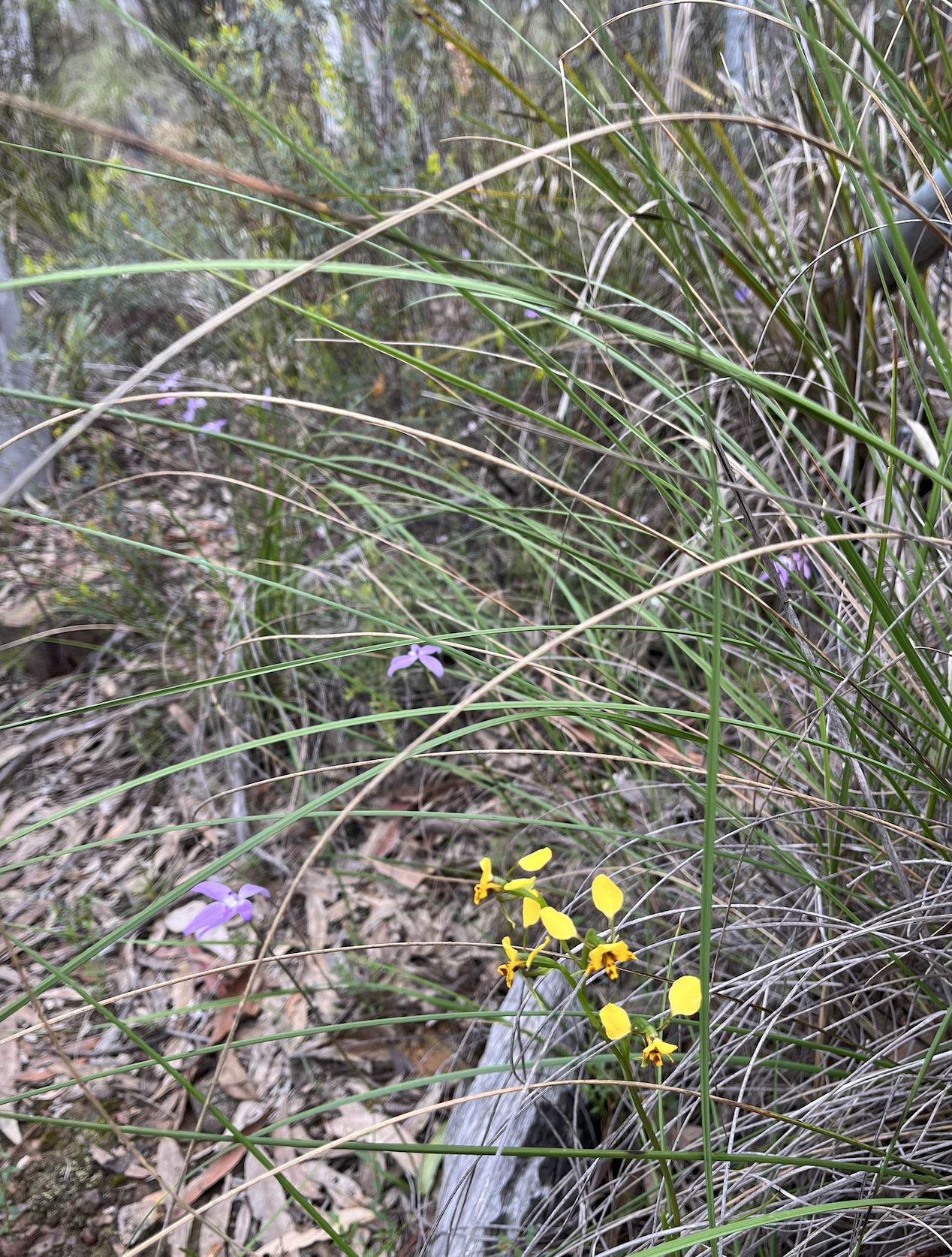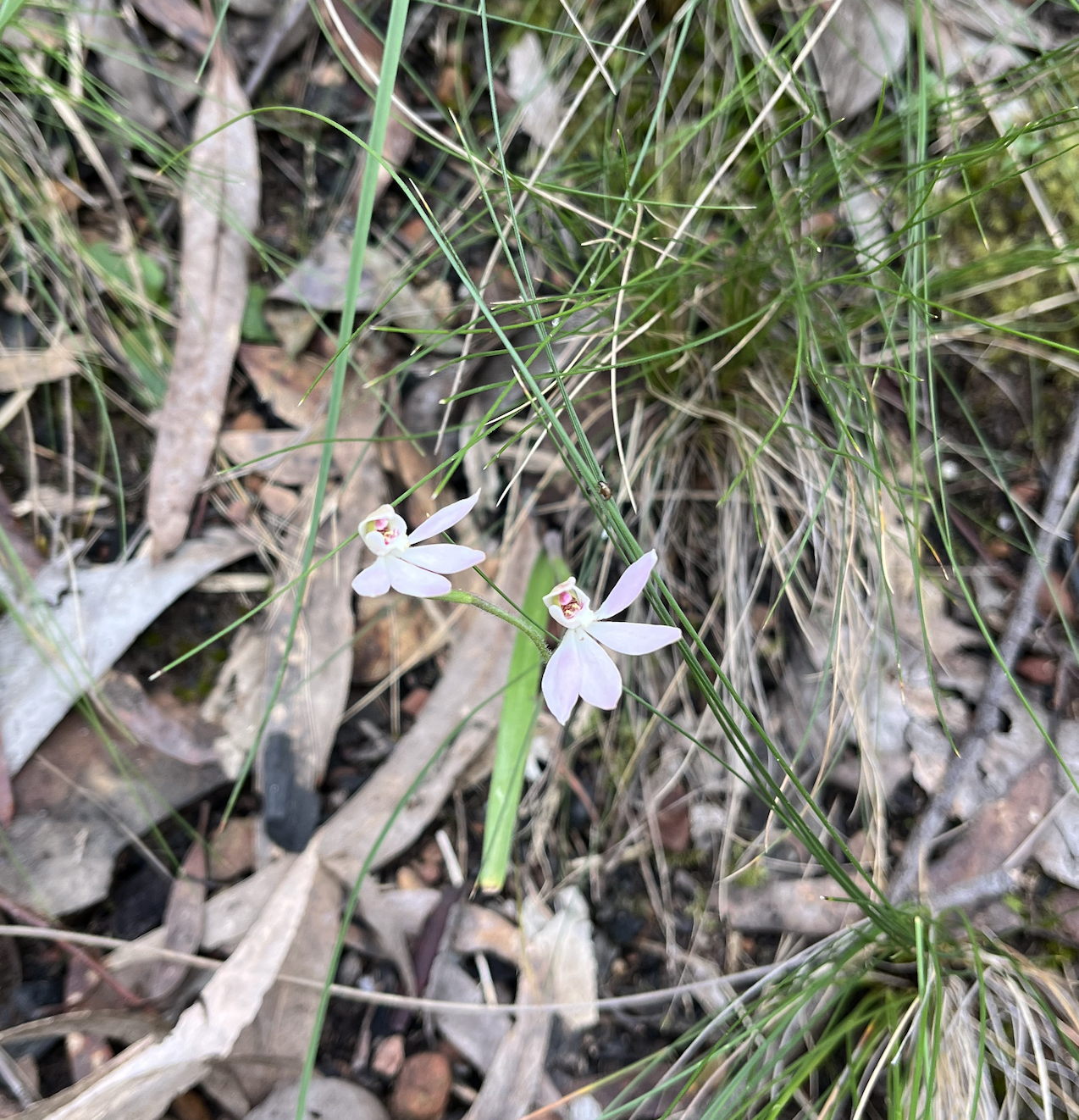
Well, this is orchid...
The return of the bogong moth migration has been a hot topic in my circles recently. I imagine many of yours, too.
In many of the conversations, we've acknowledged how we're clinging to this bright ray of ecological optimism, hoping desperately that it's a sign of species recovery, knowing how crucial the moths are to the survival of the mountain pygmy possum and other alpine species (as I wrote in Living Democracy and discussed in my TEDx talk).
There are echoes in these chats of the searingly painful reality of loving the world in its brokenness and grieving it in its beauty that I wrote about in this piece recently, relating it to Hannah Arendt's beautiful Amor Mundi.
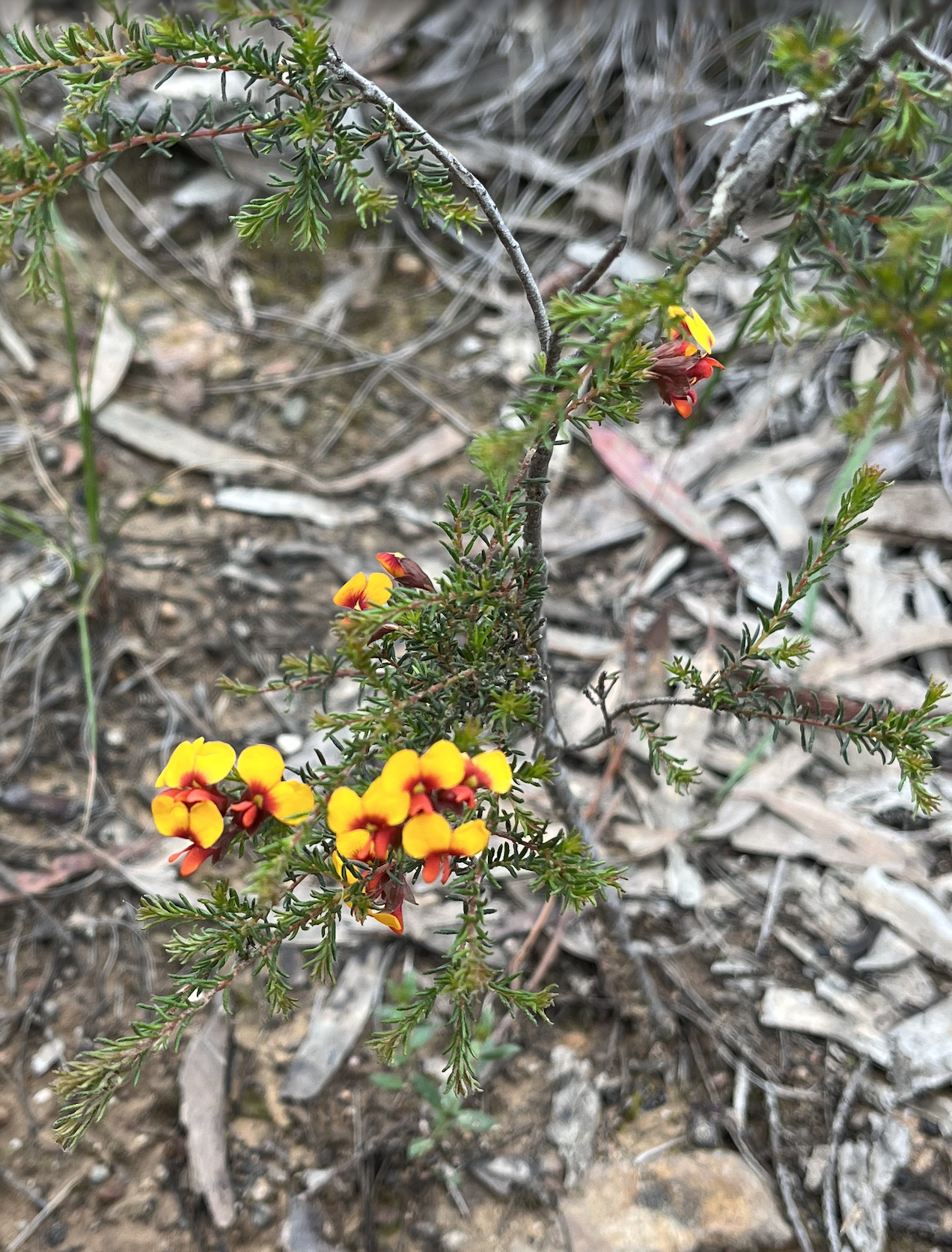
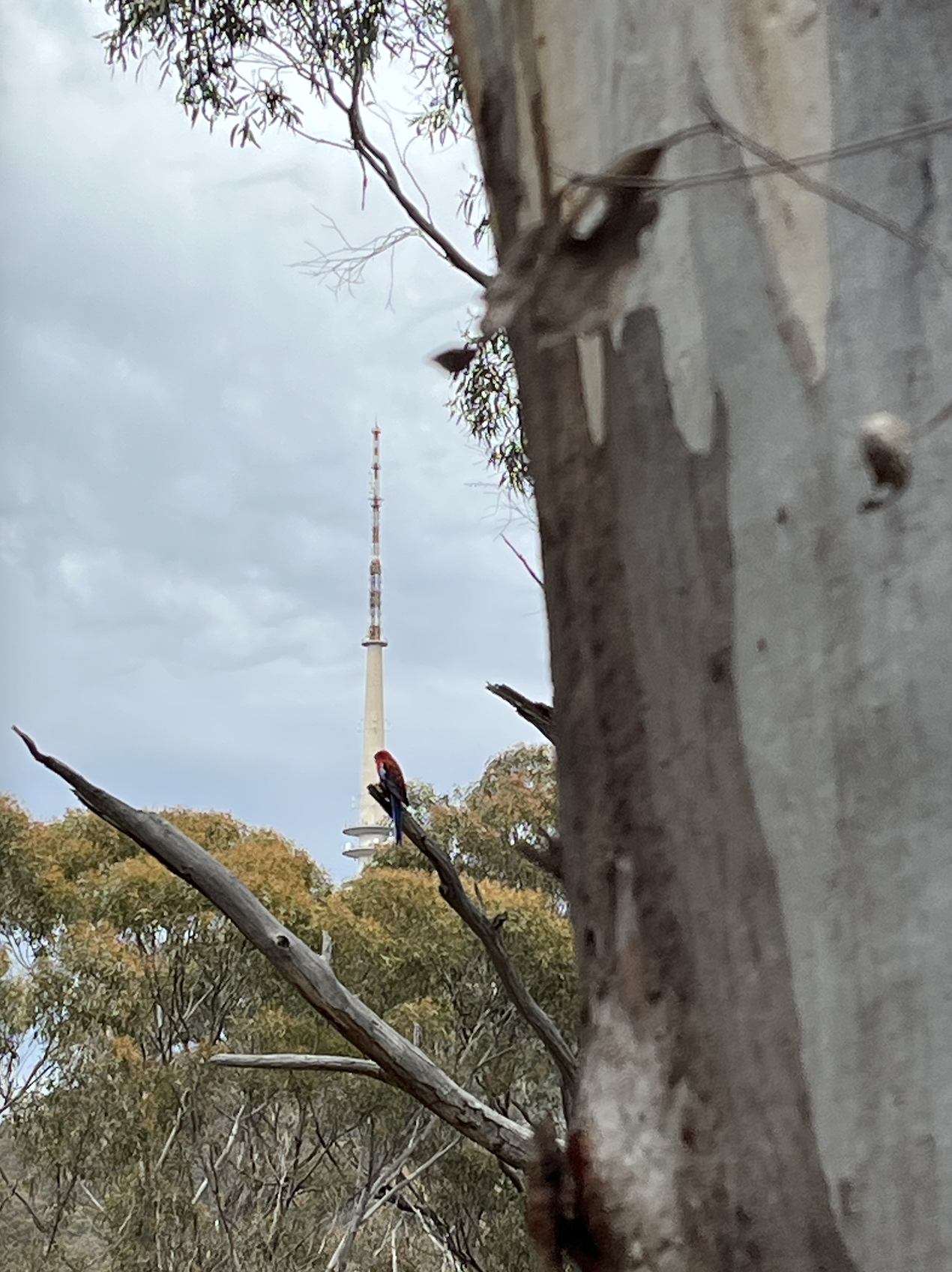
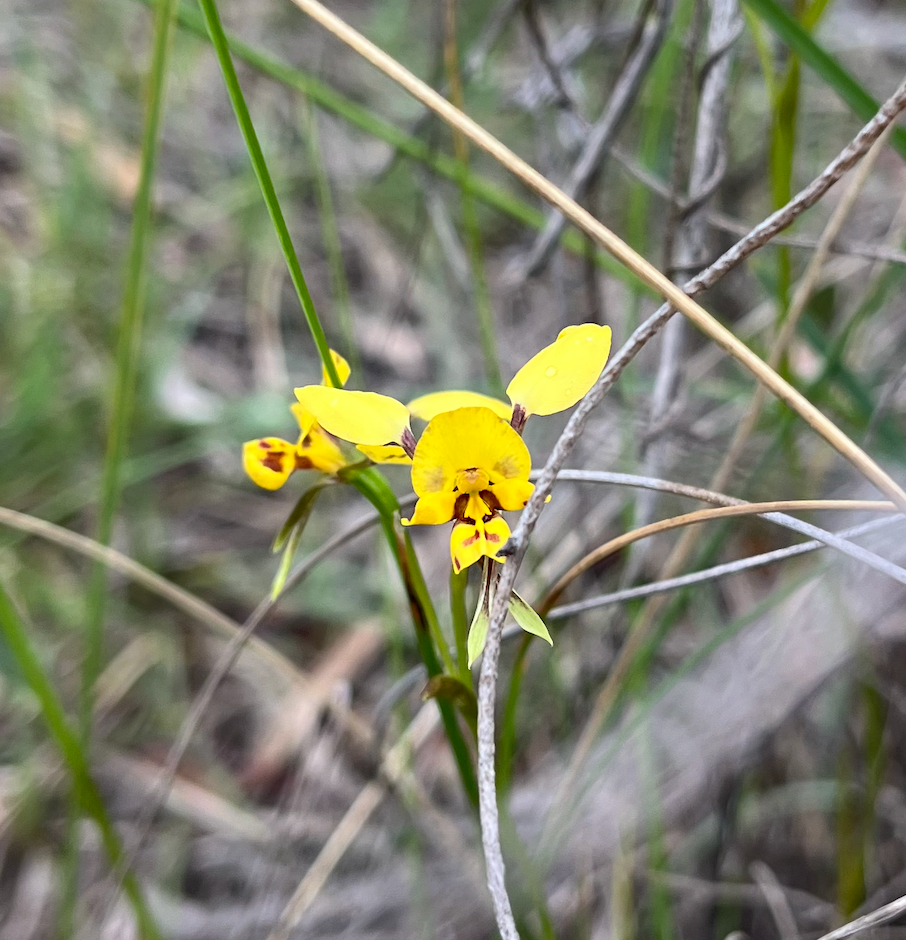
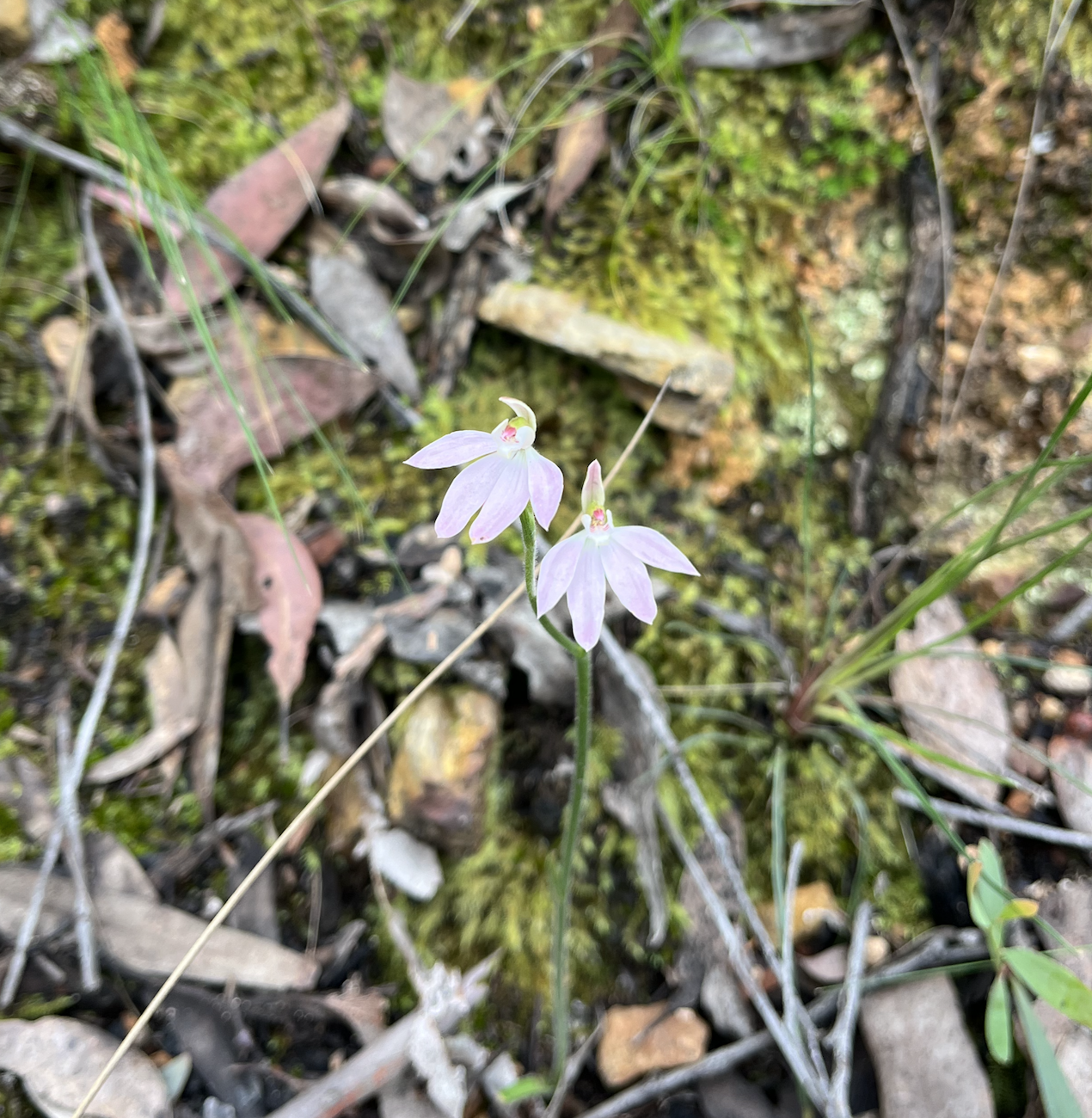
In that spirit, I wanted to share a collection of photos from my walk this morning up Little Black Mountain, in the middle of Canberra, where the wildflowers are in full bloom. In particular, the orchids are just spectacular.
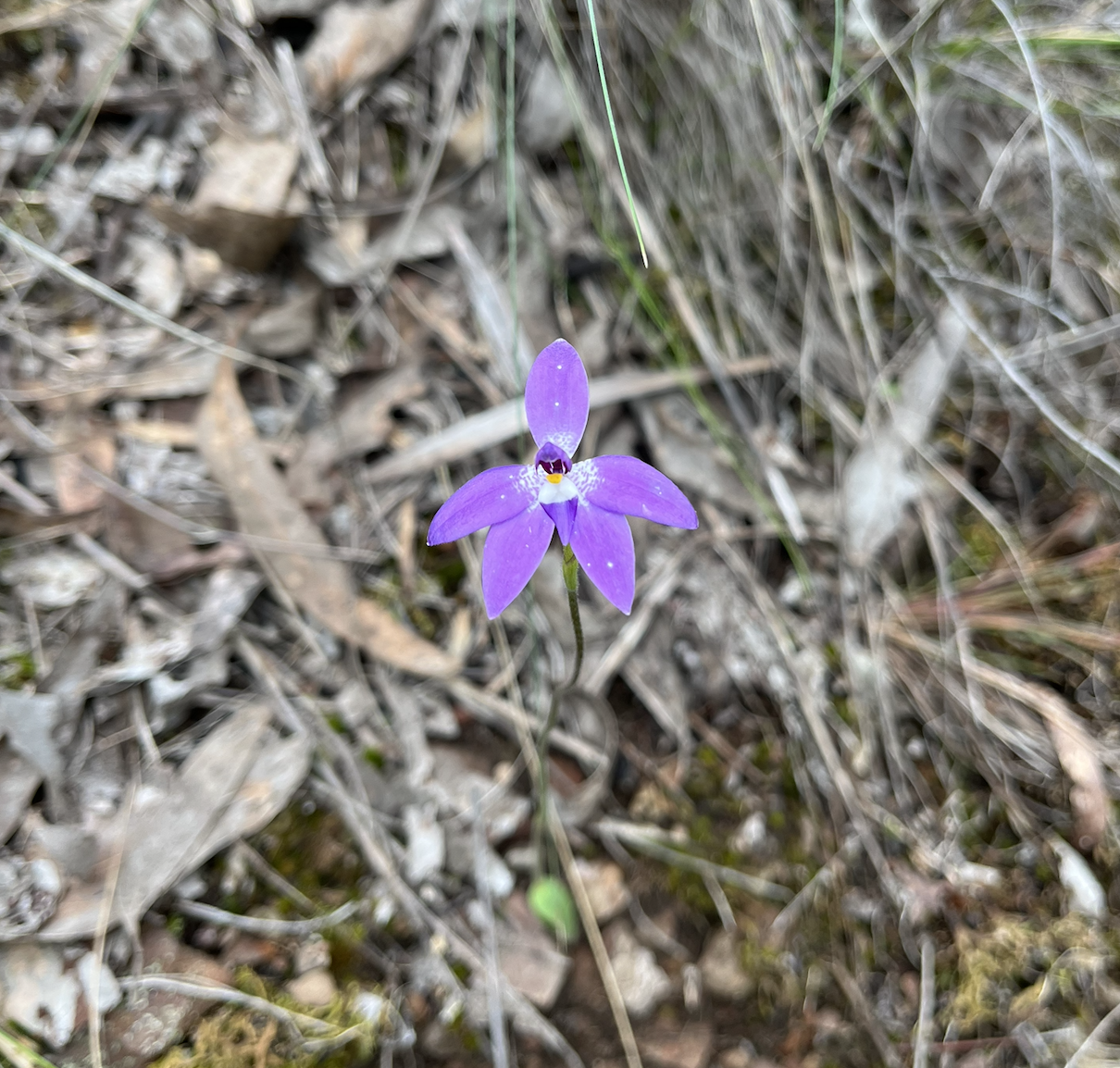
I don't know very much about orchids, but I know they don't flower every year, living quietly underground for much of their lives until the conditions are right, when they pop up, to the delight of many of us.
There's something in this that I feel duty-bound to relate back to my studies, and the question of temporality - how we understand ourselves in the flow of time.
Arendt, in The Human Condition, articulates the constant tension in our lives between "the ever-recurrent cyclical movement of nature" (p96) and the "strictly linear movement of our lives ... between birth and death" (p97). The way our linear lives cut through the cycles of nature is one of the core aspects of the human condition. And the insistence on rectilinear time, erasing its cyclical nature, is one of the core errors of modernity, in her reading. And, of course, I agree.
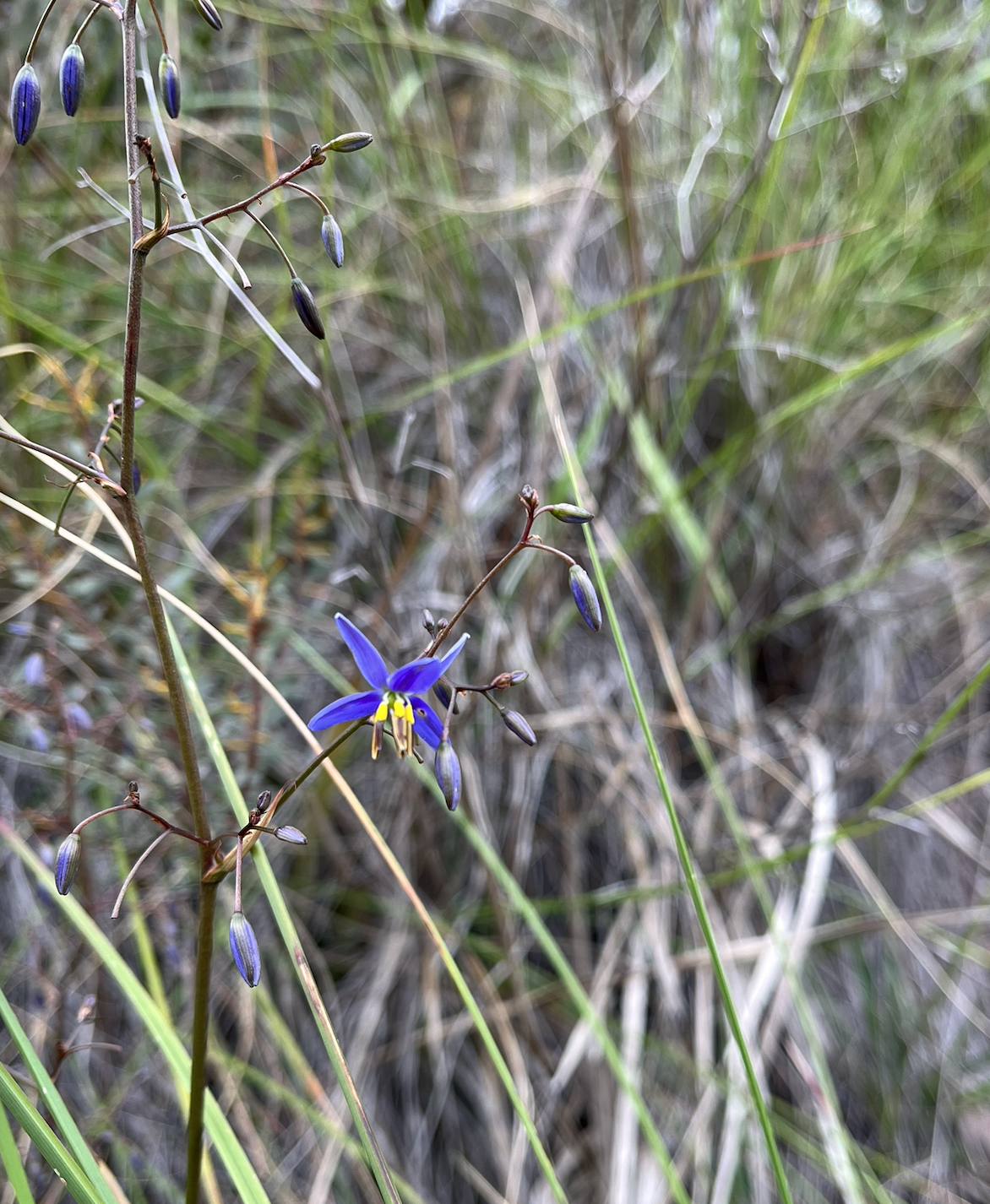
“A philosophy of life that does not arrive, as Nietzsche did, at the affirmation of “eternal recurrence” (ewige Wiederkehr) as the highest principle of all being, simply does not know what it is talking about.”
(Arendt, The Human Condition, p97)
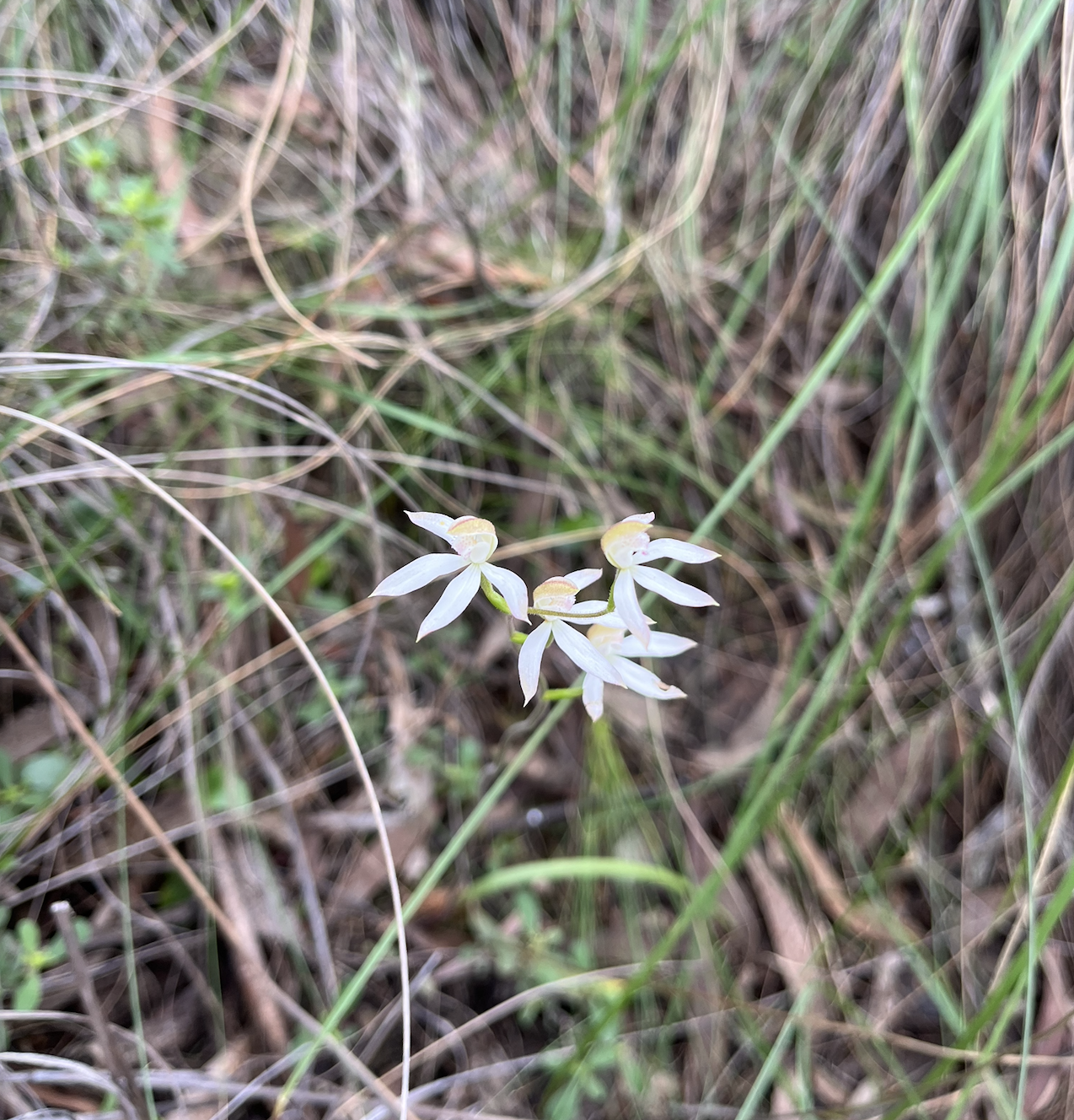
And here are the orchids.
Cyclical, yes. But not predictable. They pop up every now and then, to surprise us.
Cutting through both the cycle and the line?
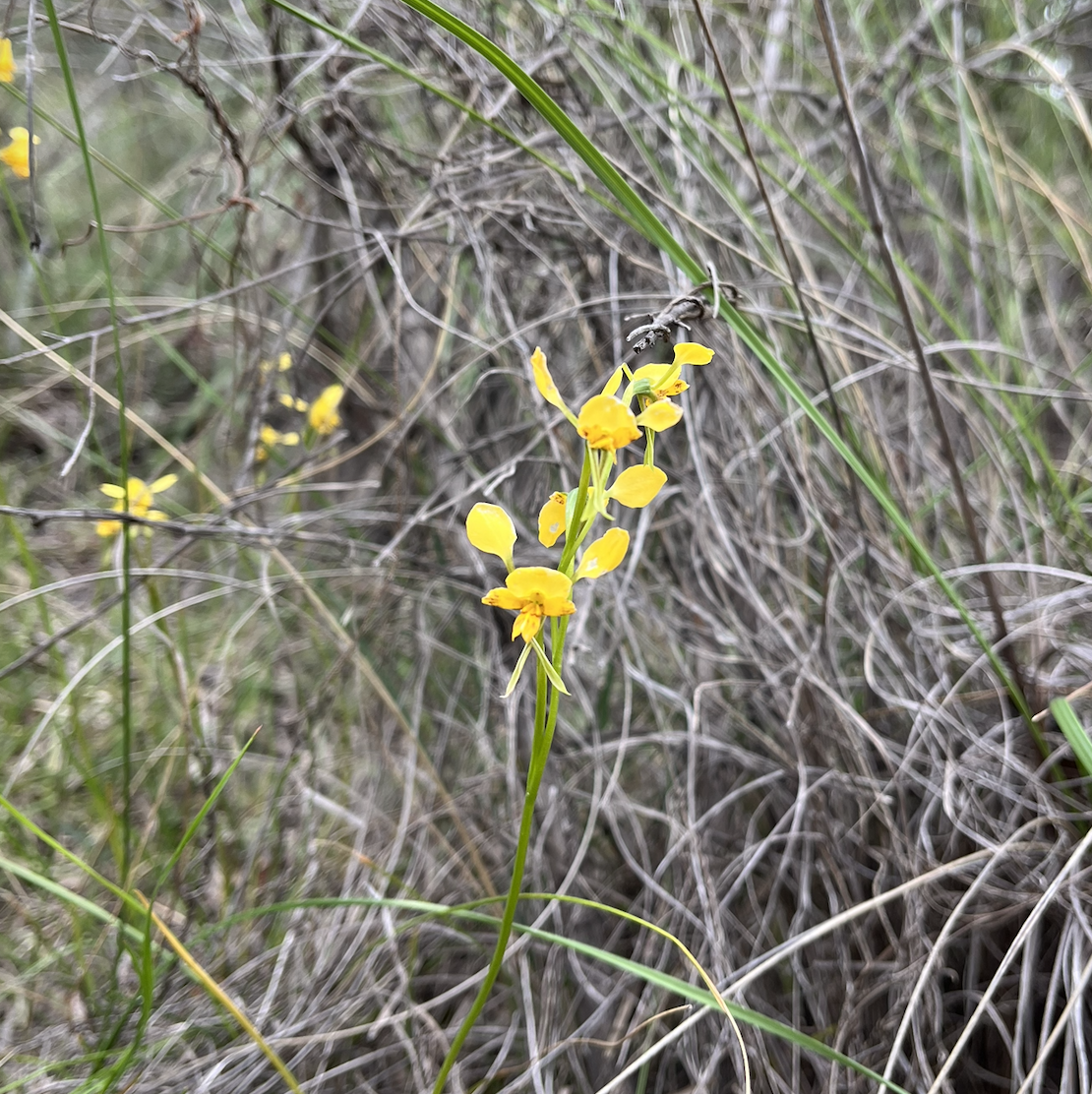
But mostly, I just wanted to share the photos.
If you're in Canberra, do go and have a look around Little Black Mountain this week.
If you're further afield, go and enjoy the wildflowers, wherever they are!